Professional Tips for Conducting a Reliable API 650 Welding Inspection
Comprehending the Significance of Welding Evaluation in Quality Control Processes
Welding inspection is a crucial element of quality control in building and manufacturing. It ensures that welds conform with well-known standards, which is important for architectural stability. Numerous examination strategies, from aesthetic to ultrasonic testing, assistance determine problems early. This proactive strategy not only prevents pricey repair services but also improves safety. Recognizing the nuances of welding inspection can reveal its broader effects for market compliance and online reputation. API 650 Welding Inspection. What exists underneath the surface of these techniques?
The Function of Welding Evaluation in Quality Control
While welding is an important procedure in numerous industries, its high quality and integrity copyright significantly on reliable inspection practices. Welding evaluation acts as a secure, ensuring that welds meet well-known requirements and requirements. This process not just determines flaws but likewise analyzes the general workmanship, thus adding to the safety and security and durability of bonded structures. Assessments are important to quality control, as they assist protect against pricey failures and preserve compliance with market guidelines. By using competent assessors, companies can boost their functional performance and maintain their online reputations. Additionally, the insights obtained from inspections can inform constant enhancement, causing far better techniques and training for welders. Inevitably, welding inspection functions as an essential link in the quality assurance chain, making sure that every joint is reliable and qualified of withstanding the rigors of its intended application. This diligence is essential for the honesty of facilities and the security of end users.
Sorts Of Welding Inspections
Welding examinations include a variety of methods designed to review the quality and integrity of welds. These examinations are crucial in making sure conformity with sector standards and specs. Usual kinds of welding inspections consist of visual inspection, which enables prompt identification of surface area abnormalities; ultrasonic testing, which makes use of high-frequency acoustic waves to discover internal imperfections; and radiographic screening, using X-rays or gamma rays to expose weld integrity under the surface area (API 650 Welding Inspection). In addition, magnetic bit screening is used to identify surface area and near-surface stoppages in ferromagnetic products, while color penetrant testing offers an approach for exposing surface-breaking issues. Each sort of inspection offers a particular objective, adding to the total quality control process. By using a combination of these strategies, assessors can provide a thorough analysis of welding quality, eventually ensuring the security and dependability of bonded structures
Typical Issues Identified in Welding
A range of usual defects can occur during the welding procedure, impacting the integrity and performance of bonded structures. These flaws consist of porosity, which involves entraped gas pockets within the weld, compromising its strength. Fractures may also create because of fast cooling or inappropriate joint layout, resulting in possible failure under tension. Insufficient fusion occurs when there is inadequate melting of the base steel, leading to weak bonds. An additional issue, undercutting, includes the elimination of base steel along the weld side, creating a considerable structural weakness. Furthermore, excessive spatter can influence the look and require more cleansing or repair. Imbalance can lead to uneven weld grains, compromising the total high quality. Determining these flaws early with appropriate assessment strategies is important to guarantee the dependability and safety and security of welded parts, eventually safeguarding the efficiency of the whole structure.
Benefits of Regular Welding Assessments
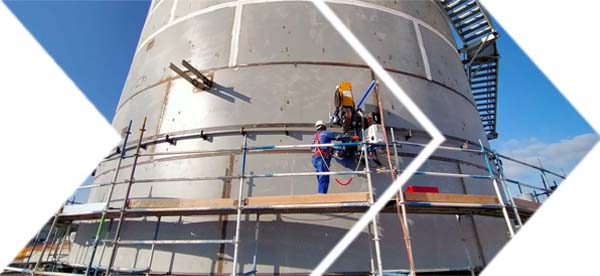
Normal assessments play a substantial duty in maintaining the high quality and safety of bonded frameworks, particularly in light of the usual flaws previously outlined. These evaluations offer an opportunity to determine and remedy issues prior to they escalate into significant troubles, ensuring architectural integrity. By discovering defects early, companies can minimize fixing costs and prevent prospective job hold-ups.
In addition, normal welding assessments enhance conformity with sector requirements and regulations, cultivating trust fund among stakeholders. This adherence not just safeguards the company's credibility however also contributes to boosted safety and security for personnel and the general public.
Furthermore, constant evaluations facilitate much better training and ability advancement for welders, as feedback from examinations can guide renovations. Eventually, the benefits of normal welding inspections prolong past prompt high quality assurance, promoting long-term functional efficiency and reliability in bonded frameworks.
Best Practices for Effective Welding Assessment
Carrying out finest methods in welding inspection is necessary for guaranteeing the greatest criteria of top quality and safety. First, inspectors need to be adequately educated and accredited, possessing a comprehensive understanding of welding strategies and materials. Using innovative inspection modern technologies, such as ultrasonic screening and radiography, improves the detection of flaws that might not be noticeable to the nude eye. Developing a clear inspection strategy, detailing the criteria and frequency of inspections, guarantees consistency and thoroughness.

Recording all findings diligently is vital for traceability and accountability. Regular calibration of evaluation equipment ensures precision, while maintaining a organized and tidy office decreases the danger of contamination. In addition, cultivating open interaction amongst staff member assists in the sharing of understandings and promotes a culture of quality. By sticking to these ideal techniques, companies can significantly improve their welding quality guarantee procedures, ultimately bring about much safer and a lot more reputable products.
Regularly Asked Inquiries
What Qualifications Are Needed for a Welding Inspector?
A welding examiner usually requires accreditation from recognized companies, such as the American Welding Culture (AWS) or the International Institute of Welding (IIW), in addition to pertinent experience and knowledge in welding procedures and top quality requirements.
Exactly How Typically Should Welding Inspections Be Executed?
Welding inspections should be performed routinely, usually at numerous job stages, consisting visit the website of before, throughout, and after welding processes - API 650 Welding Inspection. The frequency commonly depends upon project specifications, regulative demands, and the complexity of the welds involved
What Are the Costs Connected With Welding Assessments?
The costs connected with welding inspections differ extensively, normally ranging from a couple of hundred to several thousand bucks, relying on factors like inspection kind, project dimension, and location, influencing overall task spending plans and timelines.
Can Welding Inspections Be Conducted Remotely?
Yes, welding assessments can be carried out from another location using sophisticated modern technologies such as drones, cameras, and ultrasonic testing. These methods permit examiners to evaluate weld honesty without being literally existing, improving effectiveness and security in different environments.
How Do Evaluation Outcomes Influence Project Timelines?
Inspection results can considerably influence job timelines by determining issues early, leading to necessary rework or modifications. Delays may take place if assessments reveal concerns needing resolution, ultimately affecting overall task completion and budget adherence.
Welding examinations incorporate an array of Continued techniques developed to examine the top quality and stability of welds. Typical kinds of welding inspections consist of visual evaluation, which permits for instant recognition of surface irregularities; ultrasonic testing, which makes use of high-frequency sound waves to identify inner flaws; and radiographic screening, employing X-rays or gamma rays to reveal weld stability below the surface area. Regular inspections promote much better training and ability development for welders, as comments from assessments can direct improvements. Applying finest techniques in welding evaluation is essential for assuring the highest he has a good point possible requirements of quality and security. Welding evaluations must be done consistently, normally at various project phases, consisting of before, throughout, and after welding procedures.